
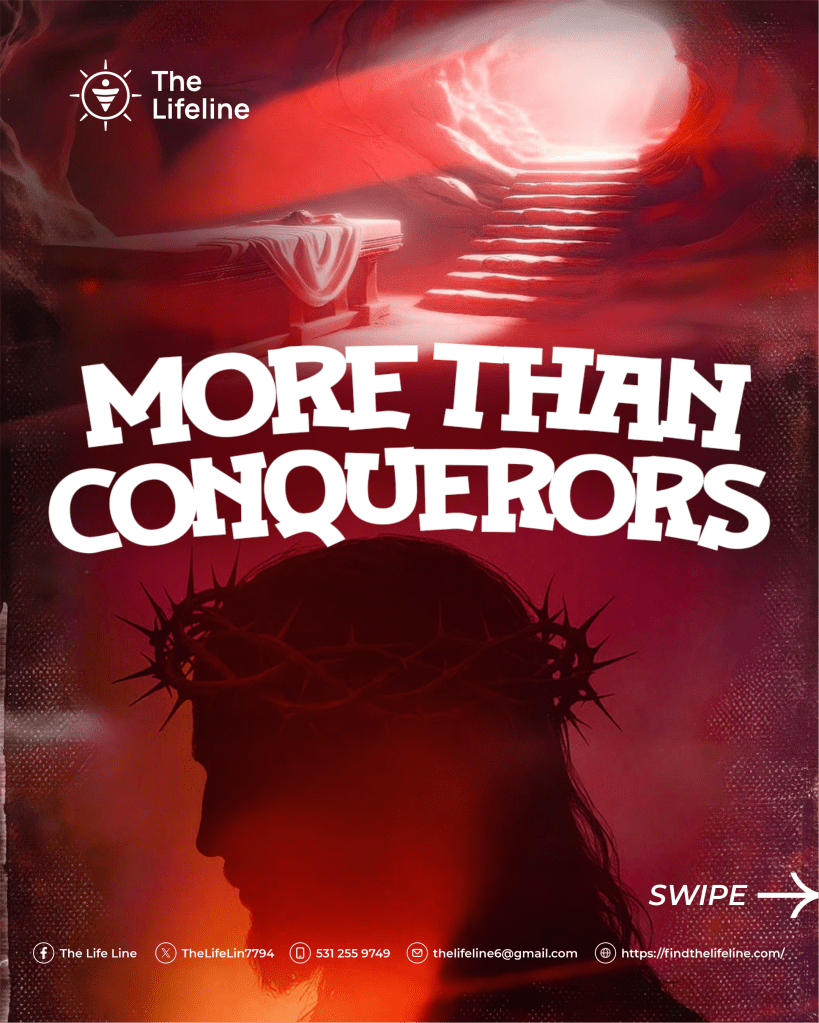
Across history, military and political victories have been celebrated with elaborate parades—processions marked by trophies, spoils, captives, and symbols of conquest. These displays serve to project power, legitimize authority, and shape collective memory. Crucially, they always follow a completed victory.
In striking contrast, Jesus’ triumphal entry into Jerusalem (Matthew 21) appears before the decisive battle of the cross. He does not arrive from a battlefield, nor is He escorted by armed forces. Instead, He rides in humility, not celebrating a military conquest, but unveiling a spiritual victory that is yet to unfold in time.
What follows is arrest, unjust trial, scourging, crucifixion, and death. Yet Jesus faces all of it knowingly—because the outcome is already secured. Even death itself is not the end. Three days later, He rises from the grave, sealing the ultimate victory. This is the climax of Easter.
Because of this, believers in Christ can face life’s challenges with confidence, knowing that victory is already secured through Him. He has made us more than conquerors.
If Jesus could enter suffering with victory already guaranteed, then His followers can also endure life’s battles with hope and assurance. Easter declares the triumph of life over death, light over darkness, and grace over shame.
If you are not yet in Christ, this is your invitation to enter His victory. And if your connection with Him has grown cold, this Easter is a moment of return. As we reflect on His love, sacrifice, and resurrection, we do so with gratitude and renewed hope: we are more than conquerors through Him who loved us.

 The Lifeline